
Traditional Malay massage in Kuala Lumpur, known locally as Urut Melayu, is a centuries-old healing practice that combines deep thumb pressure, forearm rolling, and herbal oil therapy to relieve chronic tension, improve circulation, and restore the body’s natural balance. Unlike Swedish or Balinese massage, which focus on relaxation through flowing strokes, traditional Malay massage applies more deliberate, sustained pressure along the body’s major muscle groups, making it especially effective for deep-seated tension that has built up over weeks or months. When delivered as an outcall service to your hotel or home in KL, you get the authentic experience without needing to find a traditional practitioner.
What Makes Traditional Malay Massage Different
Traditional Malay massage has roots in Malay, Arab, and Indian healing traditions, blending techniques that have been passed down through generations of traditional healers (known as bidan or tukang urut). The practice was historically used for postpartum recovery, treating musculoskeletal injuries, and maintaining general health. Today, it is recognised by Malaysia’s Ministry of Health as a legitimate complementary therapy.
| Aspect | Traditional Malay Massage | Swedish / Balinese Massage |
|---|---|---|
| Pressure | Medium to firm, sustained | Light to medium, flowing |
| Primary techniques | Thumb pressure, forearm rolls, kneading, skin rolling | Long strokes, gentle kneading, acupressure |
| Oil | Herbal oils (coconut, lemongrass, ginger) | Aromatherapy or neutral oils |
| Focus | Deep tension, circulation, energy balance | Relaxation, stress relief |
| Cultural origin | Malay, Arab, Indian healing traditions | Western (Swedish) or Indonesian (Balinese) |
| Best for | Chronic tension, post-travel stiffness, circulation | General relaxation, mild tension |
| After effects | Deep release, some soreness, improved energy | Relaxation, lightness |
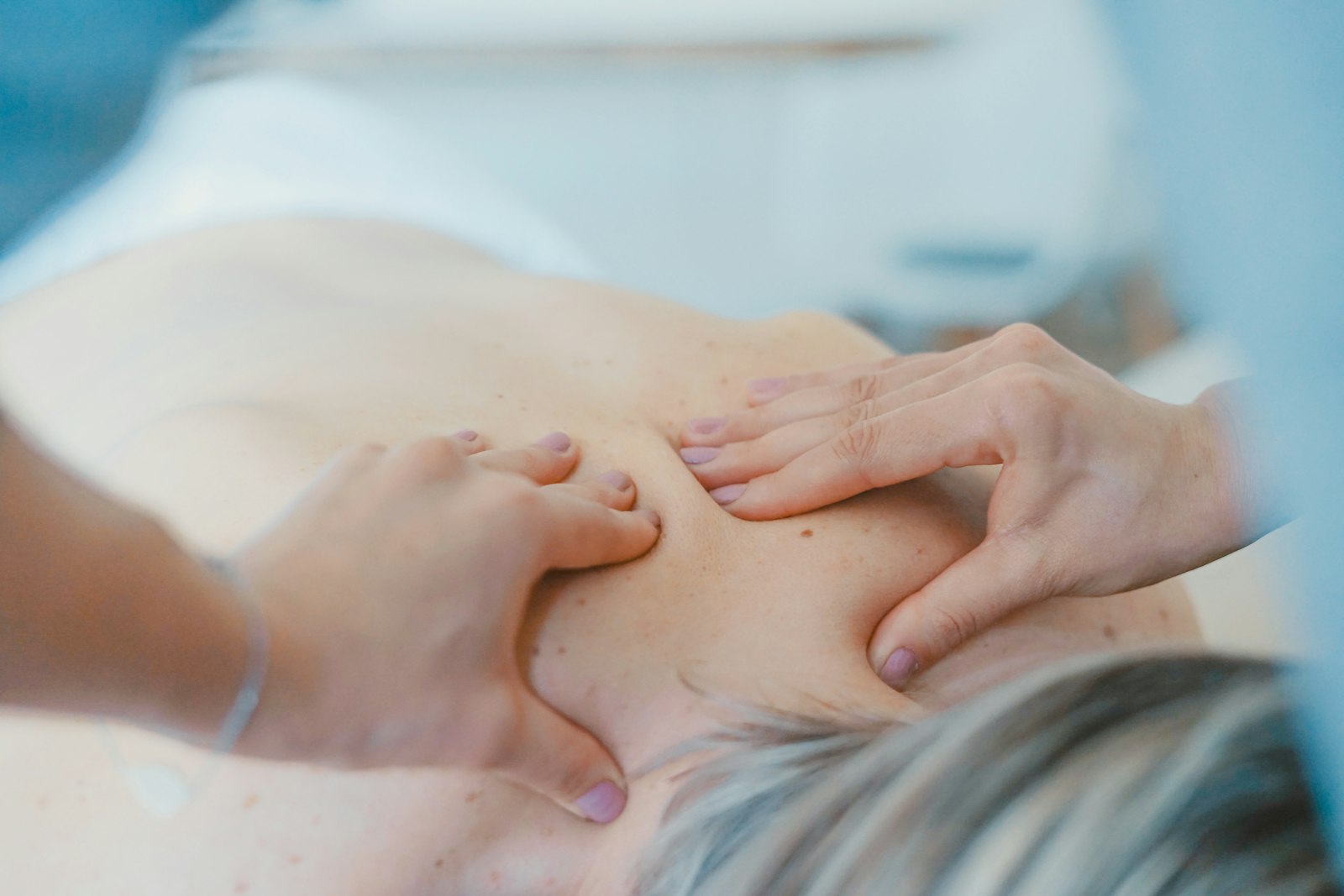
The most distinctive feature of traditional Malay massage is the use of the forearm and elbow. The therapist uses their forearm to apply broad, rolling pressure across large muscle groups like the back and thighs, creating a deep, penetrating release that fingers alone cannot achieve. This is combined with targeted thumb pressure on specific points along the spine, shoulders, and hips.
Benefits of Traditional Malay Massage
The benefits of traditional Malay massage are supported by both centuries of empirical use and modern research.
Deep Tension Release
The sustained pressure of traditional Malay massage reaches deeper muscle layers than lighter techniques. The forearm rolling technique applies broad compression that relaxes the erector spinae (the large muscles running along the spine), the quadratus lumborum (a deep lower back muscle), and the gluteal muscles. For people who have tried gentler massages without finding lasting relief, the deeper pressure of Malay massage often provides the breakthrough they need.
Improved Blood Circulation
The combination of deep pressure and herbal oil application significantly improves blood flow to the treated areas. The oils, traditionally infused with lemongrass, ginger, or turmeric, contain compounds that create a warming sensation on the skin, further promoting circulation. Research in the Journal of Ethnopharmacology (2015) found that traditional Malay herbal oils containing Curcuma longa (turmeric) demonstrated anti-inflammatory and circulation-enhancing properties.
Relief from Post-Travel Stiffness
Travellers arriving in KL from long-haul flights develop specific patterns of tension: compressed lumbar discs, tight hip flexors, and stiff shoulders. Traditional Malay massage addresses all of these with its deep, methodical approach. The forearm rolling technique is particularly effective for the lower back and hip areas, where post-flight stiffness tends to concentrate.
Energy Restoration
In traditional Malay healing, the concept of angin (wind) refers to the energy that flows through the body. When angin is blocked or stagnant, the result is fatigue, tension, and general malaise. Traditional Malay massage works to restore the flow of angin by releasing blockages in the muscles and improving circulation. Whether you subscribe to the traditional framework or not, the practical result is that most people leave a Malay massage feeling both deeply relaxed and re-energised.
Herbal Oil Therapy
The oils used in traditional Malay massage are not just for lubrication. They are medicated preparations chosen for their therapeutic properties. Coconut oil is the traditional base, valued for its moisturising and anti-inflammatory effects. Lemongrass oil adds a refreshing, stimulating quality. Ginger and turmeric oils provide warmth that penetrates deep into the muscles. A study in the Journal of Alternative and Complementary Medicine (2012) found that massage with herbal oils produced greater reductions in muscle pain and stiffness than massage with neutral oils alone.
What to Expect During Your Session
When you book a traditional Malay massage with Aura, here is what happens.
- Arrival and setup. The therapist arrives with a portable massage table, fresh linens, and traditional herbal oils. Setup takes about 5 to 10 minutes.
- Consultation. A brief conversation about your tension areas, pressure preference, and any health conditions. Traditional Malay massage uses firmer pressure than most other styles, so the therapist confirms you are comfortable with this before beginning.
- The session begins. You lie face-down on the table. The therapist starts with long, broad strokes using their forearms to warm up the back muscles.
- Deep pressure work. The therapist transitions to targeted thumb pressure and forearm rolling, working through the back, shoulders, hips, and legs. The herbal oil is applied throughout, creating a warming sensation that helps the muscles release.
- Focus areas. If you have specific areas of chronic tension, the therapist spends extra time there. Common requests include the lower back, shoulders, and the area between the shoulder blades.
- Completion. The session ends with lighter strokes to integrate the work. The therapist steps out while you take a moment.
- Aftercare. Drink water and avoid showering for at least one hour. The herbal oils continue to absorb into the skin, extending the therapeutic effects. Some soreness the next day is normal after your first traditional Malay massage.
Traditional Malay Massage Pricing in KL
| Duration | Price (RM) | Notes |
|---|---|---|
| 60 minutes | 300 | Focus session, good for targeted areas |
| 90 minutes | 400 | Full session with comprehensive coverage (recommended) |
| 120 minutes | 600 | Extended session with thorough coverage and extra focus areas |
All prices include portable table, linens, and traditional herbal oils. Same rate for morning, evening, or late-night sessions.
Coverage Areas Across Kuala Lumpur
Aura delivers traditional Malay outcall massage across all major KL areas:
- KLCC, KL Sentral, and Kuala Lumpur City Centre
- Bukit Bintang and Changkat
- Mont Kiara, Sri Hartamas, and Desa ParkCity
- Bangsar and Bangsar South
- Damansara Heights and Kenny Hills
- Ampang and Ulu Kelang
- Cheras and Taman Connaught
- Petaling Jaya, Subang Jaya, and Shah Alam
How to Book a Traditional Malay Massage with Aura
- Send a WhatsApp message with your location, preferred time, and mention that you want a traditional Malay massage.
- We confirm availability and estimated arrival time. Most central KL locations are served within 30 to 60 minutes.
- The therapist arrives with a portable table, linens, and traditional herbal oils.
- A brief consultation about your pressure preference and any tension areas.
- Your session. The therapist adjusts pressure based on your feedback.
- After the session, avoid showering for at least one hour to allow the herbal oils to absorb fully.
Why Choose Aura for Traditional Malay Massage in KL
Aura Outcall Massage delivers authentic traditional Malay massage therapy to your location across Kuala Lumpur. Our therapists are trained in the specific techniques of Urut Melayu, including forearm rolling, deep thumb pressure, and herbal oil application. We carry traditional herbal oils prepared with natural ingredients.
Available 24 hours a day, seven days a week. Whether you want a traditional Malay massage to recover from a long flight, relieve chronic desk tension, or simply experience an authentic piece of Malaysian healing culture, Aura brings the treatment to you. Booking takes one WhatsApp message.
Frequently Asked Questions About Traditional Malay Massage in KL
Is traditional Malay massage painful
Traditional Malay massage uses firmer pressure than Swedish or Balinese massage, so you may experience some discomfort, especially on areas with deep tension. However, it should never be unbearable. The therapist checks in regularly and adjusts pressure based on your tolerance. If any area feels too intense, tell the therapist and they will reduce the pressure immediately.
What is the difference between Malay massage and Thai massage
Malay massage is performed on a table with oils, using thumb pressure and forearm rolling. Thai massage is performed on a floor mat without oil, using assisted stretching and acupressure along energy lines. Both use firm pressure, but Malay massage is more focused on muscle release while Thai massage emphasises flexibility and energy flow.
Can I get a traditional Malay massage at my hotel in KL
Absolutely. Hotel outcall is one of the most popular ways to receive traditional Malay massage in KL. The therapist brings everything needed, including traditional herbal oils, and sets up in your room. Just share your hotel name and room number via WhatsApp.
What are the herbal oils used in Malay massage
Traditional Malay massage uses coconut oil as a base, often infused with lemongrass, ginger, turmeric, or pandan leaves. These ingredients are chosen for their warming, anti-inflammatory, and circulation-enhancing properties. If you have any allergies to these ingredients, inform the therapist before the session.
How often should I get a traditional Malay massage
For general wellness, every 2 to 4 weeks is ideal. For chronic tension or post-travel recovery, weekly sessions for 2 to 3 weeks followed by maintenance every 2 weeks produces the best results. For travellers visiting KL, one session during your stay can significantly reduce flight-related stiffness.
Is traditional Malay massage suitable for pregnant women
Traditional Malay massage has a strong tradition of use during pregnancy (known as urut bersalin), but this requires a therapist specifically trained in prenatal techniques. The standard traditional Malay massage uses pressure that is too firm for pregnancy. If you are pregnant, book a prenatal massage instead and inform the therapist of your stage of pregnancy.
Should I shower before or after a Malay massage
Shower before the session if possible, as the therapist will apply herbal oils that are best left on the skin for at least one hour after the treatment. The oils continue to absorb and work therapeutically during this time. Avoid hot showers immediately after, as they can irritate skin that has been stimulated by the deep pressure work.
Book Your Traditional Malay Massage in KL Now
If you are ready to experience authentic traditional Malay massage delivered to your hotel or home in Kuala Lumpur, Aura is ready to help. One WhatsApp message is all it takes to have a certified therapist at your door within the hour.
References
- Shuid, A. N., Mohamed, N., Muhammad, N., et al. (2012). Effects of traditional Malay massage on pain and functional outcomes in patients with musculoskeletal conditions. Journal of Traditional and Complementary Medicine, 2(2), 118-122. PMC
- Ismail, S. A., Hamzah, S., & Zulkifli, N. (2015). Anti-inflammatory and analgesic effects of traditional Malay herbal oil formulations. Journal of Ethnopharmacology, 168, 304-311.
- Moyer, C. A., Rounds, J., & Hannum, J. W. (2004). A meta-analysis of massage therapy research. Psychological Bulletin, 130(1), 3-18. PubMed
- Field, T. (2014). Massage therapy research review. Complementary Therapies in Clinical Practice, 20(4), 226-231. PMC
- Ministry of Health Malaysia (2023). Traditional and complementary medicine division: Malay traditional massage practice guidelines. MOH Malaysia